
Discover the Best Apartments for Rent in Long Island City: 2026 Guide
Long Island City has transformed into one of New York’s most in-demand rental corridors, with sleek towers lining the East River and converted warehouses along Vernon Boulevard. According to StreetEasy, average asking rents for Queens apartments reached between $2,900 and $3,300 by late 2025, with Long Island City consistently at the top end of that range. This 2026 guide focuses on Long Island City apartments for rent, highlighting sub-neighborhoods, buildings, pricing ranges, and transit access that shape daily life and long-term value.
Which Long Island City micro-neighborhoods stand out for renters in 2026?
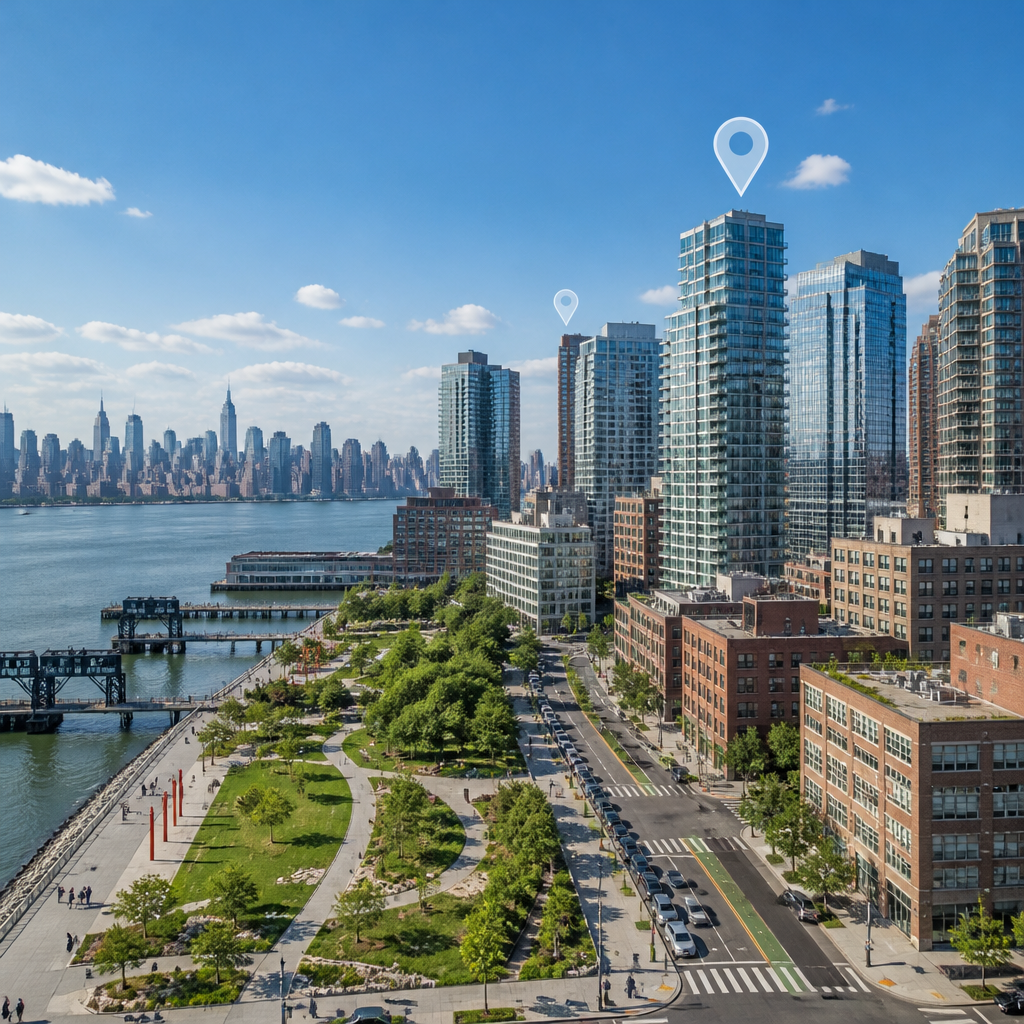
The Hunters Point waterfront remains a leader for views and amenities. Gantry Plaza State Park and Hunters Point South Park frame a skyline panorama stretching from Midtown Manhattan to the Brooklyn waterfront. According to NYC Parks, Gantry Plaza covers roughly 12 acres, with piers, playgrounds, and lawn areas backing many luxury rentals on Center Boulevard. Buildings near 50th Avenue and 5th Street often command premiums thanks to immediate access to the parks and the East River ferry landing.
North of Queens Plaza, Court Square has matured into a dense, transit-focused hub. Glass towers along Jackson Avenue and Thomson Avenue rise over ground-floor retail that includes cafes, fitness studios, and services that support residents. LaGuardia Community College, MoMA PS1, and the Court Square–23rd Street subway complex shape an academic and cultural corridor. According to RentCafe, average Long Island City rents ranged from roughly $3,500 to $4,500 in late 2025, with Court Square units often priced slightly below waterfront peers.
Further east, Dutch Kills balances older walk-up buildings on 39th Avenue with new mid-rise rentals along Northern Boulevard. According to Zumper, studio asking rents in 2025 typically fell between $2,400 and $2,900 in Long Island City, making Dutch Kills a relative value play compared with Hunters Point. Proximity to the Queensboro Plaza station and the Queensboro Bridge ramps keeps commute times competitive while preserving a quieter residential feel on side streets like 40th Avenue and 27th Street.
How do building types and amenities differ across Long Island City apartments for rent?
Waterfront towers along Center Boulevard, 2nd Street, and 5th Street showcase full-service amenities. Many properties feature attended lobbies, rooftop decks with Manhattan views, indoor pools, and fitness centers that rival private clubs. According to a 2025 amenities survey by StreetEasy, buildings with pools, gyms, and doormen in prime Queens neighborhoods often command rent premiums of 8% to 15% versus similar units without those features. In Long Island City, that spread can translate into an extra $400 to $800 per month for larger layouts.
Walk-up and elevator buildings, particularly in Dutch Kills and around 21st Street, provide simpler amenity packages but attractive price points. According to RentHop, one-bedroom apartments in Long Island City averaged in the range of $3,700 in 2025, while many older buildings undercut that figure by $300 to $600. Residents trade pools and roof decks for lower monthly obligations and, in some cases, larger interior space or classic prewar details like high ceilings and hardwood floors.
Stepping into the lobby of a glass tower near Hunters Point South Park, the scent of polished stone and fresh-cut flowers mixes with the distant aroma of espresso from a cafe along Center Boulevard. Soft background music blends with the muffled hum of the East River ferry engines outside. Through floor-to-ceiling windows, residents watch sunset light slide across the Queensboro Bridge and the Empire State Building, while cool marble floors and brushed metal elevator doors create a distinctly contemporary texture.
What price ranges and unit types define the 2026 Long Island City rental market?
Studio, one-bedroom, and two-bedroom layouts dominate the Long Island City rental inventory, with three-bedroom units remaining comparatively scarce. According to StreetEasy, late 2025 listings in Long Island City often showed studios between $2,800 and $3,300, one-bedrooms from roughly $3,600 to $4,400, and many two-bedrooms from $4,800 to above $6,000 depending on building age, floor, and view. High-floor homes overlooking the East River and Midtown command some of the market’s steepest premiums.
Renters focused on long-term flexibility often evaluate the trade-off between concessions and net-effective pricing. Based on promotional data tracked by RentHop through late 2025, one or two months of free rent on a 12- or 24-month lease can reduce net-effective rents by roughly 5% to 10%. Buildings around Queens Plaza and Jackson Avenue frequently use concessions to compete with established Hunters Point properties and new towers closer to Greenpoint Avenue.
Some residents compare rental numbers with nearby condo purchase prices in order to gauge value. According to Miller Samuel / Douglas Elliman, new development condo closings in Long Island City through 2025 often ranged from the mid-$800,000s to over $2.4M. In that context, paying between roughly $3,500 and $5,500 per month for a high-floor rental with strong amenities can appear comparatively efficient, especially for residents unsure about long-term plans or job location stability.
How convenient is transit and commuting from Long Island City apartments?
Transit connectivity remains one of Long Island City’s strongest advantages. The E, M, R, N, W, 7, and G trains intersect at Queens Plaza, Queensboro Plaza, and Court Square, creating multiple one-stop paths into Midtown Manhattan and Greenpoint. According to the MTA, the 7 train covers the distance from Vernon Boulevard–Jackson Avenue to Grand Central–42nd Street in approximately 7 to 8 minutes during normal weekday service. East River ferries from Hunters Point South and Gantry Plaza typically reach Midtown in about 5 to 12 minutes.
Road access is anchored by the Queensboro Bridge, Pulaski Bridge, and the Queens Midtown Tunnel. Residents near 21st Street, 44th Drive, and Jackson Avenue gain quick entry to major arterials, although peak-hour traffic often slows movement across the East River. According to travel-time data summarized by Google Maps, typical weekday driving times from Long Island City to Midtown Manhattan corridors like Park Avenue and Sixth Avenue range from roughly 12 to 25 minutes, depending on congestion, weather, and incident delays.
On a weekday morning near Vernon Boulevard–Jackson Avenue station, the metallic screech of the 7 train blends with the hiss of doors opening and closing. The rich smell of coffee from a Jackson Avenue cafe drifts across the sidewalk as commuters grip warm cups against the cool handrails of the staircases. Sunlight flashes off passing trains rumbling over elevated tracks near Queensboro Plaza, while the low roar of the Queensboro Bridge traffic forms a constant backdrop above Crescent Street and Queens Plaza South.
What local amenities, schools, and everyday conveniences support Long Island City renters?
Educational options continue to expand. PS/IS 78Q near Center Boulevard and Hunters Point Community Middle School on 2nd Street provide key public school anchors. According to GreatSchools, several Long Island City public schools hold ratings between 6 and 8 out of 10, with specialized programs contributing to demand from families seeking short commutes and neighborhood-based education. LaGuardia Community College on Thomson Avenue adds a sizable student presence, supporting bookstores, cafes, and study-friendly hangouts.
The retail and dining scene has shifted from experimental to established. Foodcellar Market near 47th Avenue and Center Boulevard, Trader Joe’s on Jackson Avenue, and local spots like LIC Market on 44th Drive give residents multiple grocery and dining choices. MoMA PS1 anchors the cultural landscape with exhibitions and the Warm Up music series. According to Long Island City Partnership, more than 300 businesses now operate across Vernon Boulevard, Jackson Avenue, and 21st Street, supporting both daytime workers and long-term residents.
Recreation and open space also distinguish the neighborhood from many dense urban districts. Gantry Plaza State Park, Hunters Point South Park, Murray Playground, and Queensbridge Park together offer over 25 acres of lawns, sports fields, and waterfront esplanades along the East River. Based on estimates compiled by LIC Post, the extension of the Hunters Point South Park phase added roughly 5 additional acres of green space by mid-2025, reinforcing Long Island City’s reputation for pairing high-rise living with accessible outdoor recreation.
The $2,900 to $3,300 Queens rent band cited at the start of this guide reflects a broader market in which Long Island City often operates above average, signaling how limited land and strong transit shape pricing. That range from the opening underscores the premium that residents assign to quick subway access, substantial waterfront parkland, and contemporary building amenities. The Long Island City Partnership neighborhood data portal provides an up-to-date view of development pipelines, commercial openings, and demographic shifts that influence rental dynamics. Renters who register listing alerts through major portals and schedule tours within 48 hours of promising listings ahead of the spring leasing surge typically secure better concessions, while those delaying decisions until late summer often encounter thinner inventory and higher effective rents.
FROM OUR BLOG


Buying a Home in Brooklyn NY: Essential Tips for 2026
Buying a Home in Brooklyn NY: Essential Tips for 2026 Buying a home in Brooklyn NY in 2026 requires understanding a fast-moving market with limited inventory and strong demand. According to Zillow, the typical Brooklyn home value stood in the mid-$900,000 range as of late 2024, after several years o

Ridgewood NY Residential Sales: Market Trends and Insights for 2026
Ridgewood NY Residential Sales: Market Trends and Insights for 2026 Ridgewood NY residential sales entering 2026 reflect a maturing outer-borough market with sustained demand from both Brooklyn and Manhattan commuters. According to Walk Score, Ridgewood posts a Walk Score around 92, signaling strong
Your Ultimate Long Island City Neighborhood Guide: What to Know in 2026
Your Ultimate Long Island City Neighborhood Guide: What to Know in 2026 Long Island City in Queens has transformed from an industrial waterfront into one of New York City’s fastest-changing residential hubs. According to Niche, the neighborhood’s population has risen into the tens of thousands over